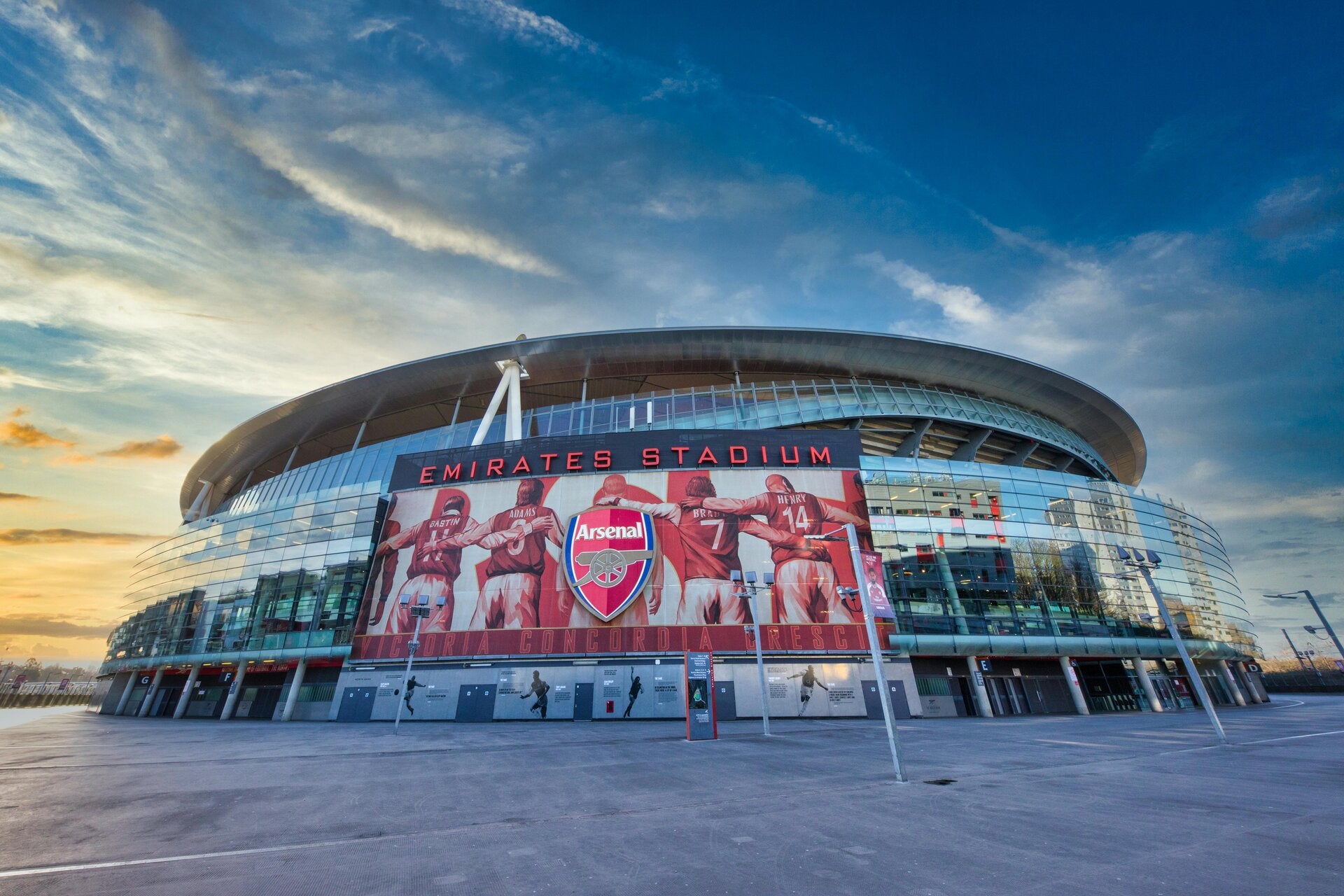

GREENWICH to WOOLWICH ARSENAL and to CROSSNESS PUMPING STATION

And On To Charlton, along the Thames Path!
HYDRA & KALI artwork, by

GREENWICH PENINSULA ECOLOGY PARK

GYC


ANGERSTEIN & MURPHYS WHARVES
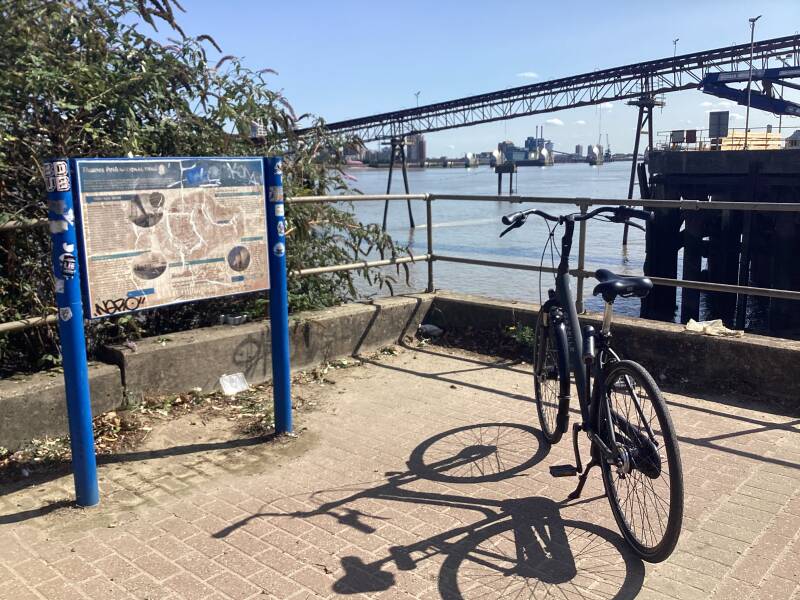
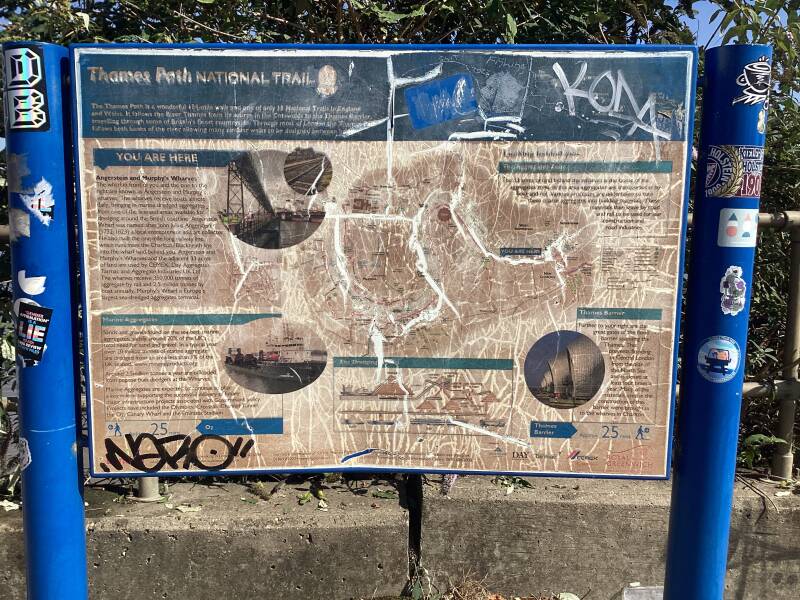
A construction aggregate and an associated cement facility and freight station in the Port of London, operated by the Cemex company, located on the south bank of the Bugsby's Reach. It has a safeguarded wharf status, which ensures it is retained as working wharves and are protected from redevelopment into non-port use
The Father of Lloyds. Slave trade


When the Gallery was founded in 1824, the first 38 paintings came from the private art collection of the banker John Julius Angerstein.
Welcome to Charlton Riverside
Charlton Riverside, previously known as New Charlton, is the area along the south bank of the river Thames at Charlton, London, which forms part of the Royal Borough of Greenwich. It was formerly a primarily industrial zone, known for the glass and rope making industries, but is now an area of regeneration
A GOOD INTRUDUCTION TO CHARLTON, “NEW” and “BY-DOVER”: https://www.londonshoes.blog/2023/08/05/all-about-charlton-london-se7/
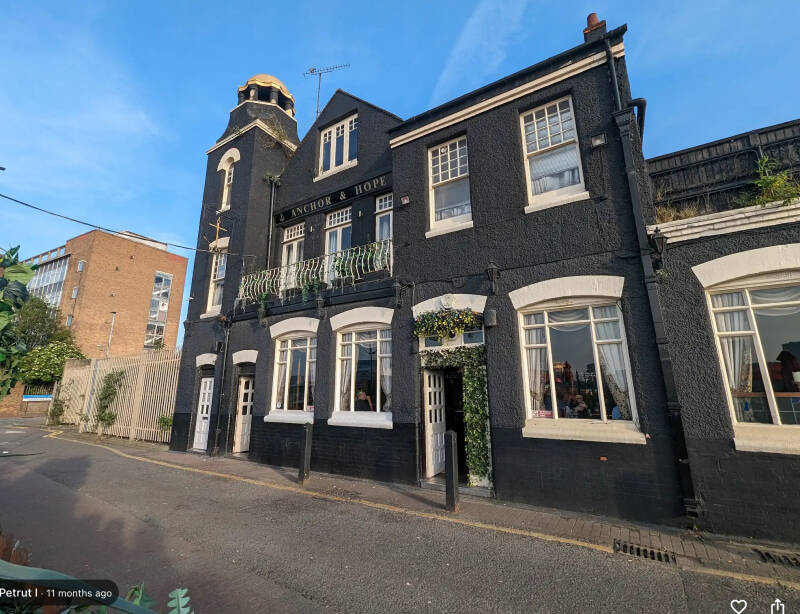
THE ANCHOR & HOPE P.H.
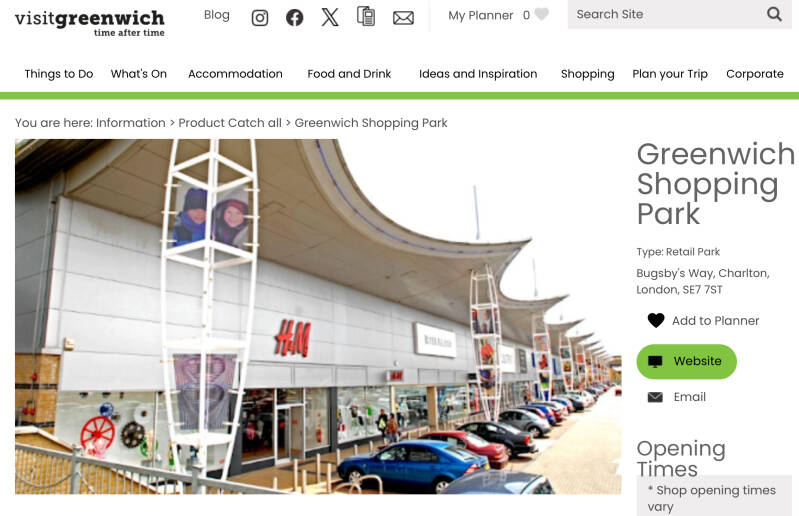
Retail Park (along BUGS Y WAY)
Buses 472 and 486

Libanese and African cuisine

THAMES BARRIER
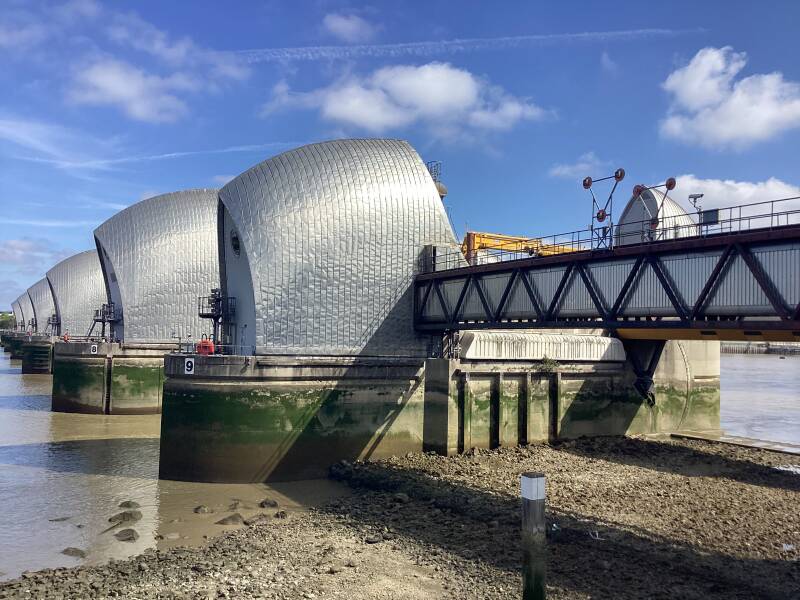
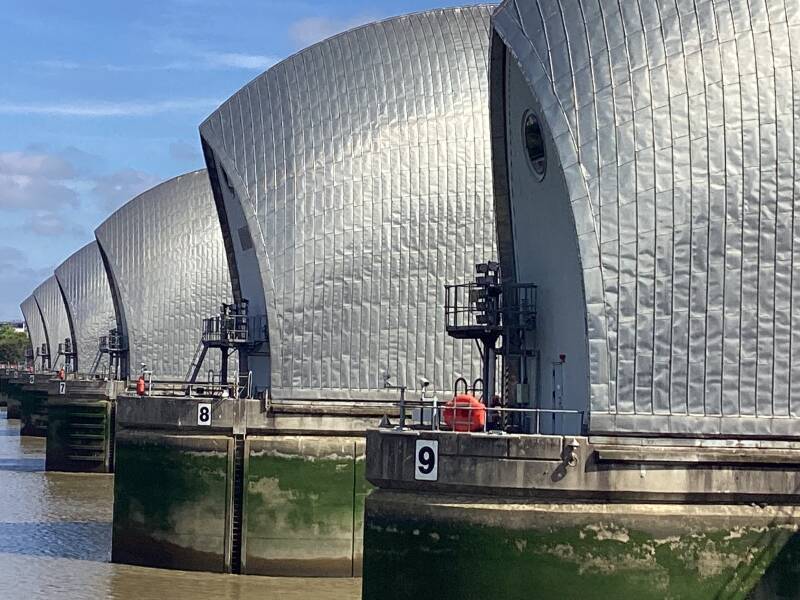
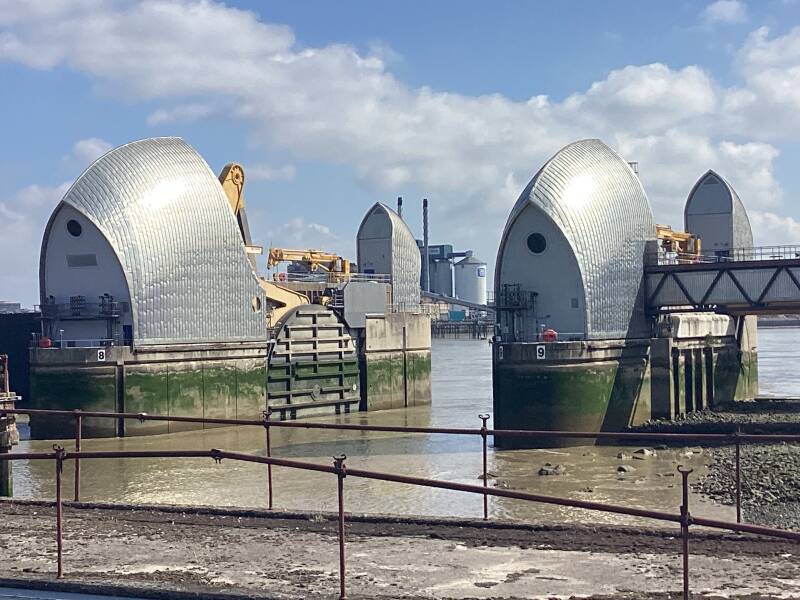

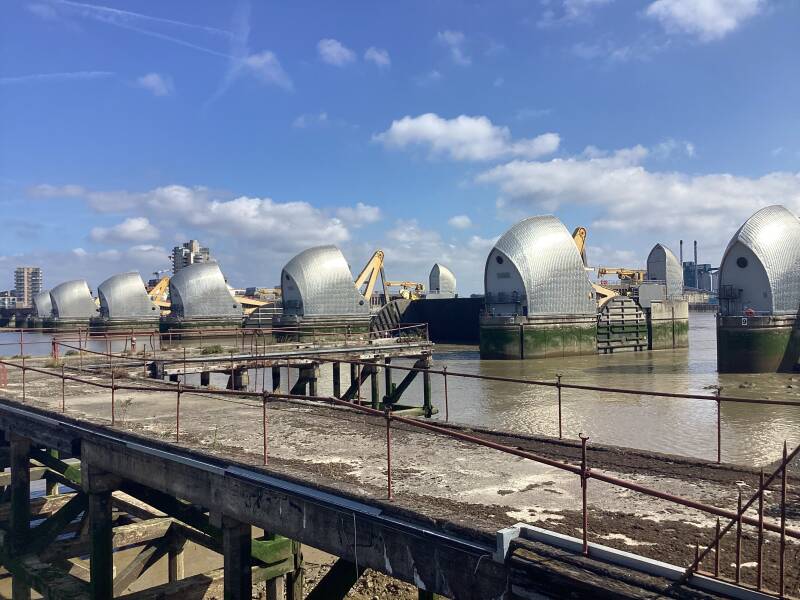
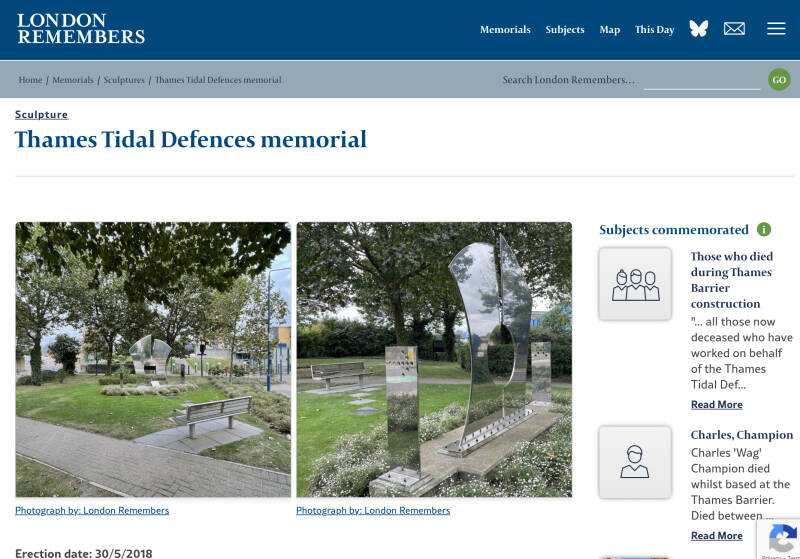
The world’s largest movable flood barrier, 520 m. wide. Commenced in 1972, completed in 1982, first used in 1983. Designed by RENDEL,PALMER & TRITTON, for the GLC. An imaginative use of structural steel and concrete, for which it has won awards, An outstanding engineering project, becoming a permanent London landmark.

Diversion to CHARLTON PARK , KIDBROOKE and ELTHAM or BLACKHEATH
Welcome to Woolwich
Site of AEI SIEMENS FACTORY. WESTMINSTER ESTATE
The Westminster Estate, the area between the Thames Barrier and Warspite Road, has at times been referred to as part of New Charlton. The Survey of London however regards it as a part of Woolwich, since it is situated in the historic parish of Woolwich. From 1863 until 1968 this was the site of Siemens Brothers, where many who were living across the road in New Charlton worked. This is also where Charlton Athletic F.C. played their first football matches at Siemens Meadow from 1905 until 1907.[2]In the Charlton Riverside Masterplan SPD the Westminster Estate is considered a part of Charlton Riverside. The SPD also includes Charlton railway station and a small section of Charlton Church Lane
The SIEMENS factory was founded here in 1863 for the manufacture of submarine cables. It expanded into the manufacture of telegraph, telephone and other electrical equipment. At its peak, in 1940, it employed up to 9.000 people. In 1954 SIEMENS became part of AEI GROUP. Then, shortly after the merger with AEC. in 1967, the decision was taken to close the factory. This became the first major factory closure since the War, and heralded a serios of other industrial closures in SE London.
The original building, 1863, was in HARRINGTON WAY, and on the N side of BOWATER ROAD. The oldest remaining b., of 1871, is the one with a long series of round headed windows along the GF, ear the end of that last street. Some early 20th c. remain, but most other buildings are more recent.
EMAFYL (manufacturers of picture frames; silver silos) owns HARRINGTON WAY. No access to it and neither to the elevated walkway along the river .
Artists Studios
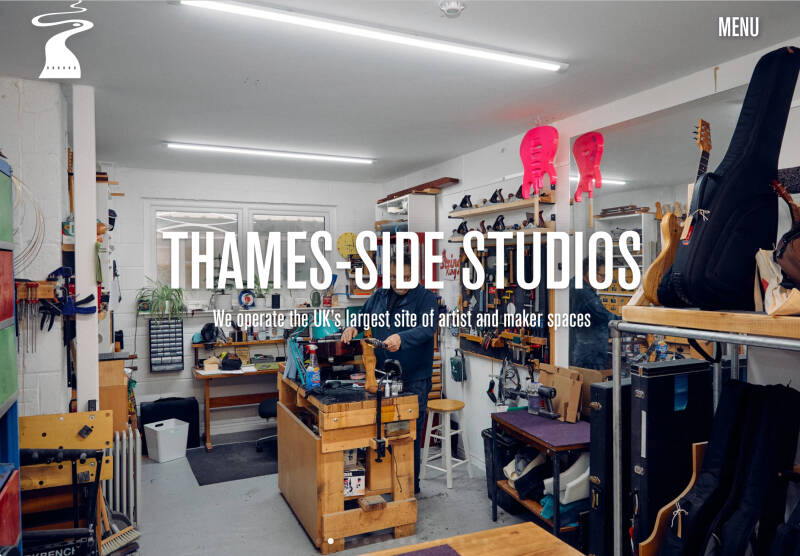
Café & Cookery School

located on the border of Charlton and Woolwich, is a large provider of artist studios in London. It offers nearly 500 studios across two sites, housing a diverse community of artists, makers, and designers. The studios are known for providing affordable workspaces and fostering a vibrant creative environment
home to a wide range of creative practices, including painting, sculpture, fashion design, carpentry, and more. They offer a variety of facilities, including a print studio, a photography studio, and a spray shop
The Thames-Side Studios Gallery provides a venue for showcasing the work of resident and visiting artists
The Rivershop offers practical classes in various crafts, open to both beginners and experienced makers
Nearby
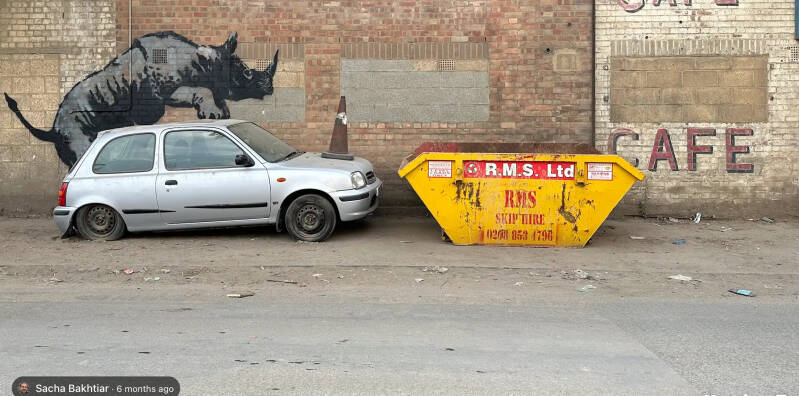
BANKSY street artwork
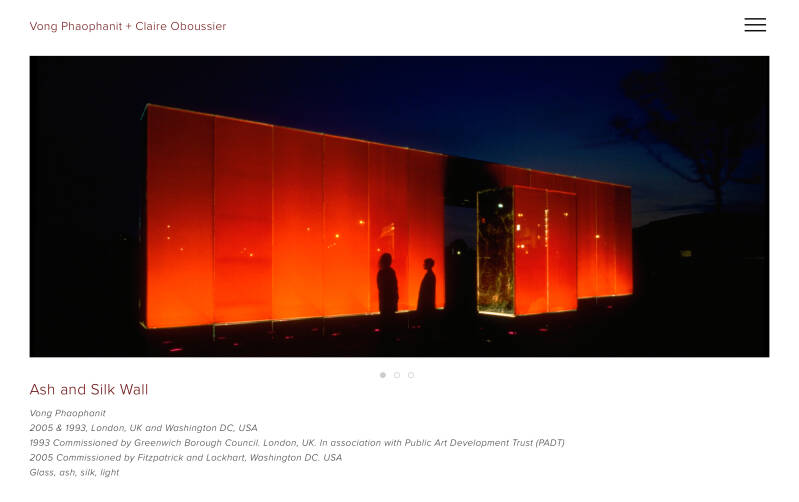
SILK AND ASH artwork, by Vong Phaophanit
The Laotian artist’s work consists of a long glass wall, encasing wood ash on one side and pink silk on the other, with a section cut out and moved back to form a gateway. It was badly vandalised
Former THE LADS OF THE VILLAGE, former THE THAMES BARRIER ARMS, vet clinic
The attractive mid-19th c. pub became isolated as the housing terraces around were demolished
Former THE VICTORIA P.H., now Domino Pizza
Former MARYON PARK school
Multi-gabled LSB 1898 Building
London Sculpture Workshop

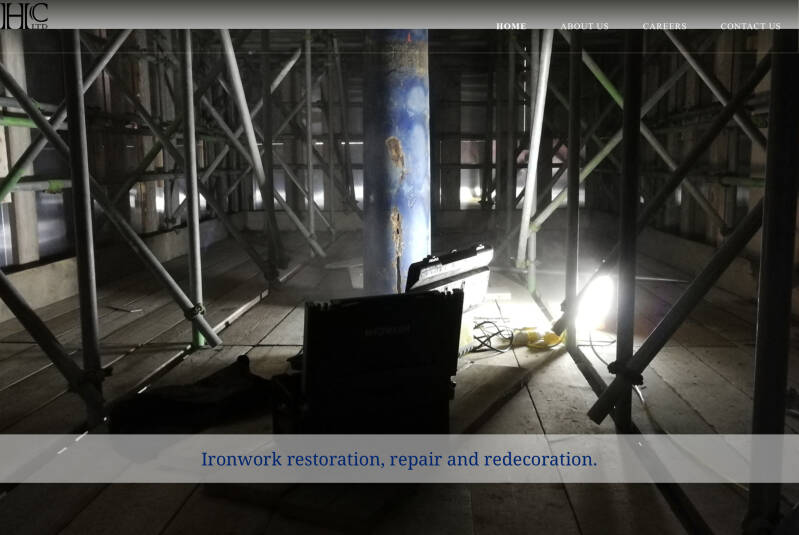
Restoration
TRINITY STAIRS
Site of the Royal Naval Dockyard
The site, extending for over a km., a surrounded by a Victorian and postwar wall, has now a variety of uses.
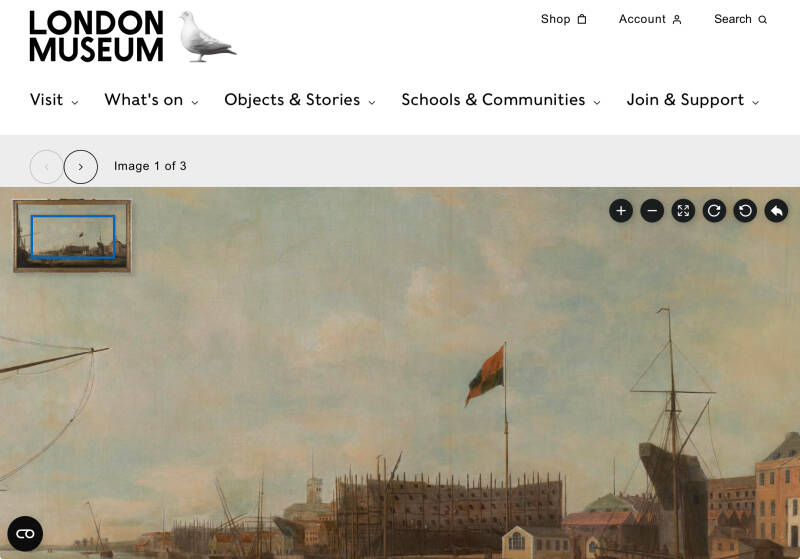
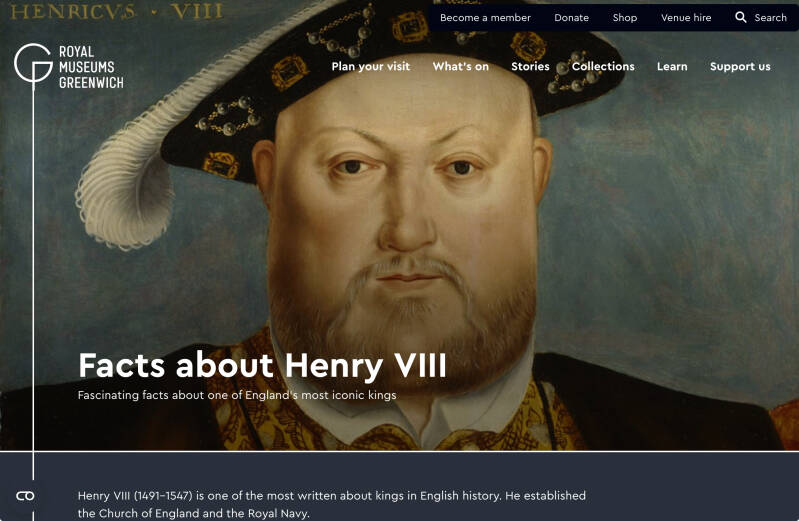
The origin can be traced to a shipyard set up by HVIII in 1512, which began the transformation of Woolwich from a fishing village to an important town.The process accelerated when E of THE WARREN (later to be called the ROYAL ARSENAL) there was established a site, associated with the Royal Dockyard, for testing guns and for a gun battery.
The RD was founded to built the famous HENRI GRACE A DIEU, or THE GREAT HARRY, the largest ship ever known, which was completed in 1514, fitted out at the ERTH DOCKYARD, and launched in 1515. According to recent research, the shipyard was situated in the W side of the site of the POWER STATION, where in 1912 remains of a large TUDOR warship were excavated.
In 1546 a Dockyard was set up W of below the hill on which ST.MARY MAGDALENE’s church is. It became the RND, and the original became GUN WHARF.
During the 17th c. the DY was extended further W. In 1637, THE SOVEREIGN OF THE SEAS was constructed. Further extensions during the 18th. c to the E (MAST POND) and, to the W, the area where the GATEHOUSE and the CLOCKHOUSE were to be built (and those are now surviving building) was incorporated in 1779.
From 1880, the importance of the RD started to decline, though from 1833: and from 1842, the site was extended W for the STEAM FACTORY, the FIRST naval establishment for the manufacture and repair of engines for steamships.
CHATHAM DOCKYARD had been growing fast , and this site was found increasingly unsuitable, as the river bed was silting up and the ironclad boats ordered by the RN were difficult to launch in the narrow river. It finally closed in 1869 (the same year as the DEPTFORD one) causing immense distress through the districts of SE LDN.
Afterwards, used for DEPT.OF WAR stores.
18th/19th cs. buildings found. have been revealed y recent excavations. The finds are in the BOROUGH MUSEUM.
A number of historical buildings remain. In the central housing estate, 18th c. In the W section, where the STEAM FACTORY was located, 19th c. The larger part of this section was acquired by the ROYAL ARSENAL CO-OPERATIVE SOCIETY, as a warehouse, works and office area, and given the name of COMMONWEALTH BUILDINGS.
Commonwealth Buildings
Site of APPRENTICES SCHOOL
Old GUARDROOM
Remaining main buildings of the STEAM FACTORY
JOHN RENNIE, 1842-46.
The S range with the row of great round-headed windows was the SMITHERY (metal parts made here), of 1846, with the brass foundry at the W end, and the north range the marine engine fitting and erecting shop of 1843. Chimney (60 m.). Some rail track from the sidings still visible.
Mid 19th c. timber shed
Riverside promenade
Laid out 1980s, running the length of the housing estate, and giving good views across WOOLWICH REACH to SILVERTOWN (TATE & LYLE)…
Gun drill battery
C.1850. With 2 swivel guns. River steps. Mosaic. Ceramic mural
2 graving docks
Used for cleaning the bottom of ships. Old hand winch.
Mosaic.
East: part of the dockyard of 1546
Best seen from the churchyard. Eastern part: Embracing the Ferry car park and Cubows shipyard firmed the MAST POND WHARF of 1744.Western part: Do kyard site of 1746, embraces the DOWNTOWN MARINE CONSTRUCTION yard, with an old SLIPWAY still in use, and an area of waste land, also containing an old slipway (visible as you walk down CHURCH HILL).
GATEWAY and GATEHOUSE
Late 18th. c. It gives entrance to the modern housing estate (1973-80. LB GREENWICH)
CLOCKHOUSE
Former Admiral Superintendent’s Offices. Fine ornamental tower. Pleasant, handsome, well-proportioned building. Wooden porches added in the 19th c.
Ceramic tiles (1896, by W.Lambert) from the demolished CLARENCE ARMS P.H. in Plumstead. SE of the CLOCKHOUSE is the site of the DOCKYARD CHURCH (1859), no erected in ELTHAM as ST.BARNABAS church (1933).

Pedestrian tunnel to Prospect Vale
Originally opened c.1860 for a railway siding (North Kent Line)
Royal Arsenal Panorama

Woolwich Free Ferry
Leisure Centre
Foot tunnel
WOOLWICH ARSENAL

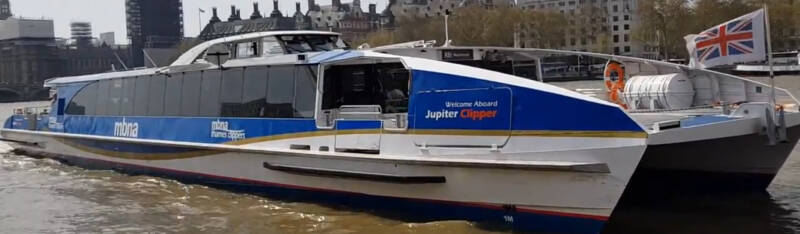
(Uber Boats)Thames Clippers Pier
James Clavell Sq.
N 1 St.
WOOLWICH WORKS
Woolwich Works is a multi-disciplinary cultural hub on the Royal Arsenal in Woolwich. The landmark venue opened its doors in September 2021 and has recently been named London's ‘best new culture spot’ by Time Out. Our programme includes cutting-edge contemporary music, award-winning stand-up comedy, as well as theatre, dance, cabaret and everything in between.

ASSEMBLY, artwork by Peter Burke
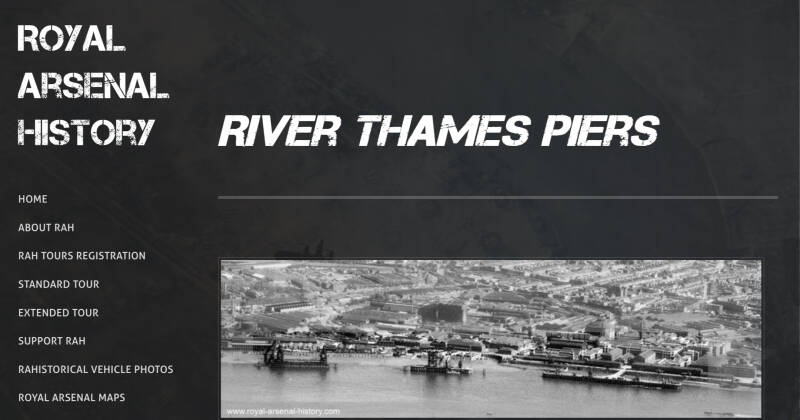
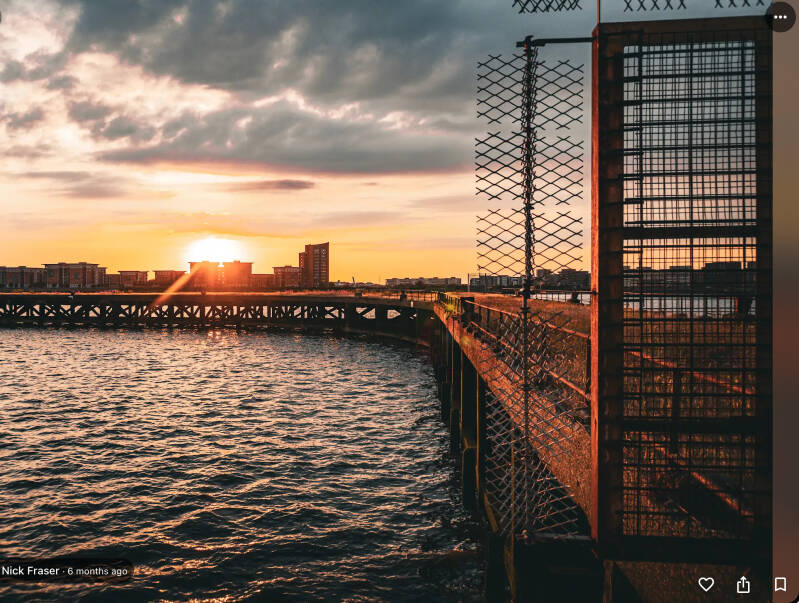
Iron Pier
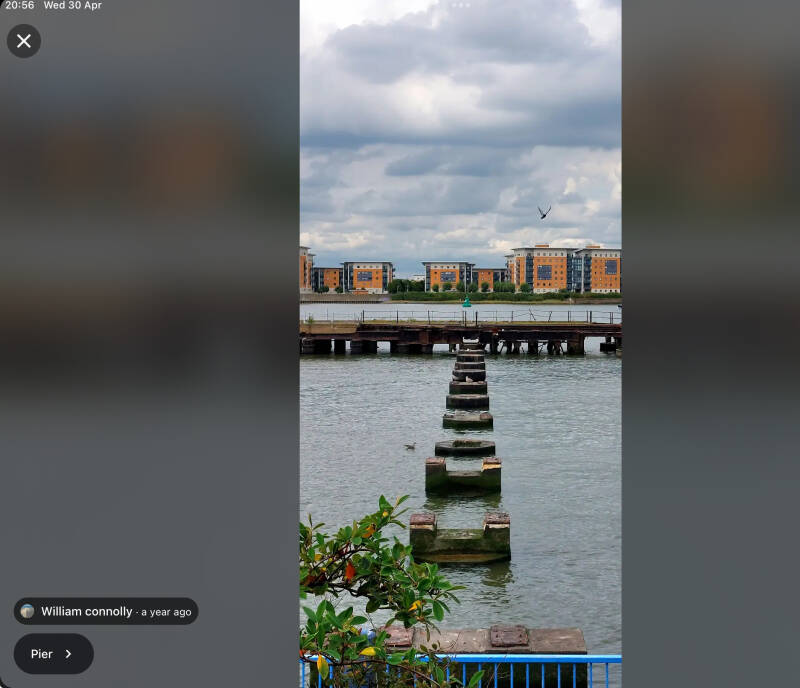
Coaling Pier
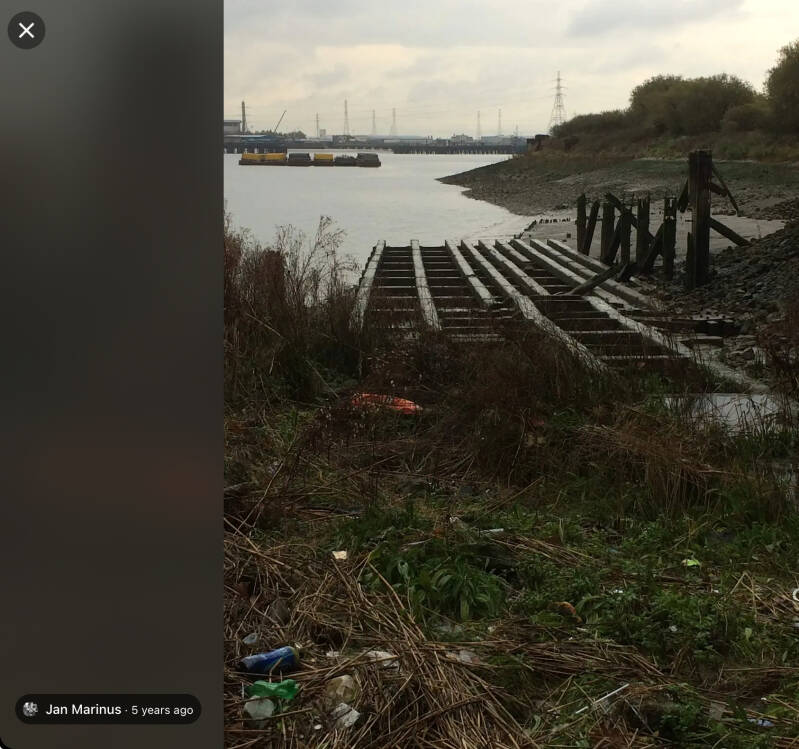
Timber slipway
An old timber slipway in Woolwich used to load large guns from the Royal Arsenal factories onto barges
Welcome to THAMESMEAD!
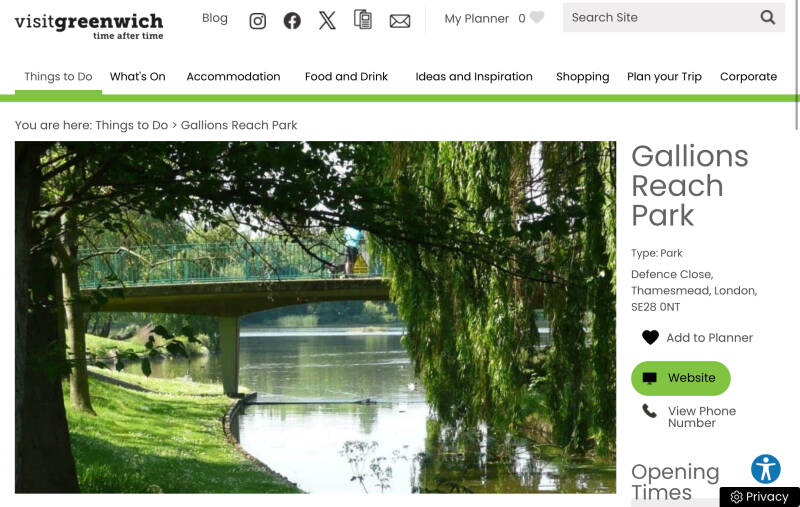
GALLIONS REACH PARK
CROSSNESS PUMPING STATION